New State of the UK’s Oaks report – risks to UK oak trees
Action Oak press release
Newly published State of the UK’s Oaks report outlines risks to UK oak trees. A new report outlines the pressures currently affecting the UK’s oak trees, and the emerging risks to the long?term future of this iconic and ecologically important tree species.
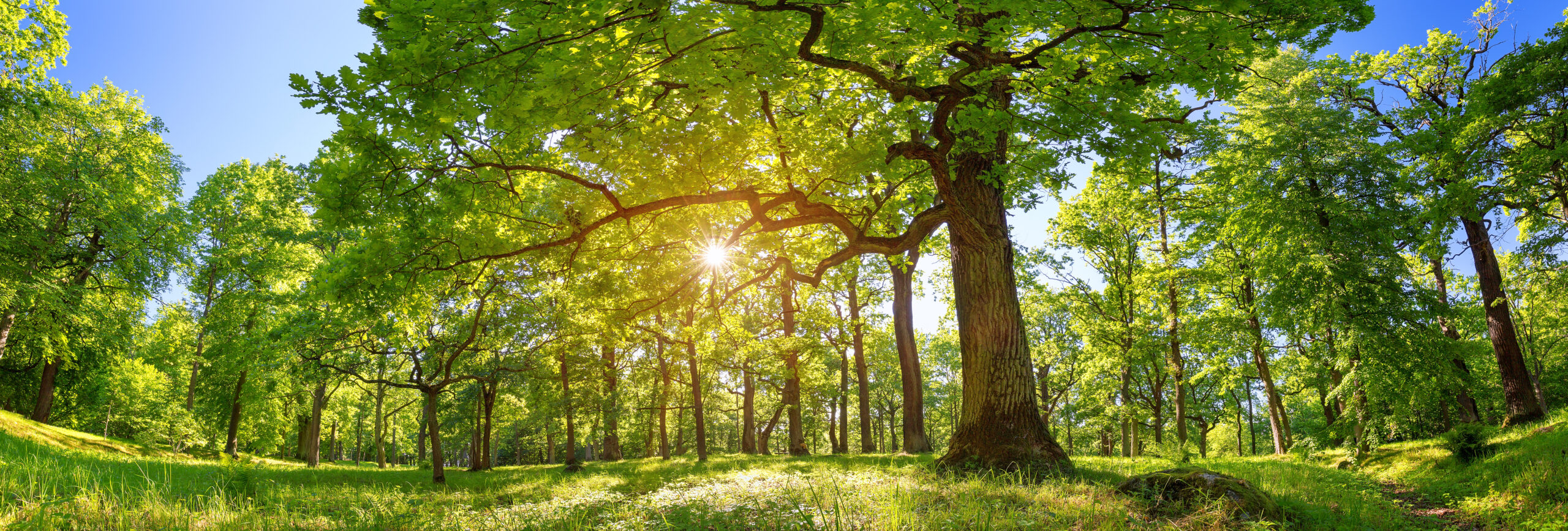
Oaks are a keystone tree species, underpinning ecosystems, storing an estimated 31 million tonnes of carbon, and delivering around £0.7 billion a year in environmental, social and economic benefits.
They support more biodiversity than any other native tree in the UK, with more than 2,300 species recorded as being associated with them, including 326 species that depend entirely on oak for survival.
A new Defra-funded report published today by Action Oak – The State of UK Oaks – highlights that the UK’s iconic oak trees are experiencing a combination of pressures, with scientists noting that, without ongoing action, oak could become less prominent in the UK’s landscape.
Experts note that safeguarding UK oak trees is important, observing early patterns that have also been seen in other UK tree species. They describe the situation as a gradual ecological challenge, with early indicators similar to those that preceded issues such as Dutch elm disease and ash dieback.
The report sets out the current state of UK oaks by bringing together key information, monitoring data and a review of existing work, while identifying important evidence gaps, and is structured in three parts:
1) An overview of the importance of oak trees in the UK
2) An assessment of the main threats currently affecting them
3) An examination of their extent, condition and genetic diversity, with key evidence gaps highlighted at the end of the report.
Selected points from the report
Ancient and veteran oaks are particularly important, providing habitats that have taken centuries to develop for rare fungi, beetles, lichens and insects that cannot survive elsewhere. Losing oak trees could trigger cascading biodiversity loss, impacting ecosystems that have taken centuries to develop.
Fragmentation of oak landscapes is important for maintaining oak health. Without connected networks of oak trees across the countryside, even species that survive locally may struggle to move, adapt or recover in a changing climate.
One example of a threat to UK oaks is Acute Oak Decline, a fast-acting condition, has now been confirmed at 394 sites across the UK (as of 2023). The disease is driven by a complex interaction between bacterial infections and the two-spotted oak buprestid beetle, exploiting trees already weakened by drought, soil damage and environmental stress.
Climate change is amplifying these threats. Oaks are now flushing their leaves 10 to 16 days earlier than they did at the start of the century, while hotter, drier summers are increasing drought stress, particularly in southern and eastern England. Scientists stress that while native oak species may appear resilient at a continental scale, individual trees and fragmented woodlands are more vulnerable when multiple pressures combine.
Annabel Narayanan, Director, Action Oak:
“The report’s findings are a stark warning. What we are seeing with oak is not a single threat, but a convergence of pressures acting at the same time. Ageing trees, failed regeneration, climate stress, pests and disease. Each one on its own might be manageable, but together they are pushing the UK’s most important tree towards a tipping point, this could be a slow-burn- ecological disaster.”
Geraint Richards, Head Forester to the King and Duchy of Cornwall:
“Oak supports more biodiversity than any other native tree in Britain and stores around 31 million tonnes of carbon. When a species that underpins ecosystems, climate resilience and cultural identity starts to fail, the consequences are national, not local. Long term surveys show fewer young oaks establishing, while mature trees dominate the landscape. Without regeneration, today’s ageing oak population becomes tomorrow’s ecological cliff edge.”
Professor Nicola Spence, UK Chief Plant Health Officer, Defra:
“Oak trees are a cornerstone of the UK’s landscapes, supporting a wide range of species and enriching our cultural and natural heritage. Yet our native oaks are increasingly under pressure, including from Acute Oak Decline – a complex and serious condition that threatens the long-term resilience of this iconic species. The ‘State of the UK’s Oaks’ provides an important evidence base to help us understand these challenges and focus our collective efforts to ensure that future generations continue to enjoy the immense environmental and societal benefits that healthy oak trees bring.
Experts involved in the report emphasise that the issue is pressing, noting that signs of decline are already evident rather than a distant concern. They highlight the need for coordinated national efforts to protect existing ancient oaks, support natural regeneration, manage pest and disease pressure and monitoring, and improve landscape connectivity to help oak populations adapt to a changing climate.
We need a national effort to protect ancient oaks, restore regeneration, tackle disease, and build resilient oak landscapes for the future. That means action from government, landowners, planners, conservationists and the public, all working together.
The issue is already emerging, and taking action now will be important to safeguard the oak.
ENDS
Notes to Editors:
For interview request or more information contact: Action Oak press Office on 07971 164 517.
Action Oak is a public–private partnership bringing together charities, landowners, research organisations and government bodies, including Defra, Forest Research, the Forestry Commission and Kew, to coordinate research, share knowledge and support efforts to protect the UK’s native oak trees.
Defra has supported research into oak health through initiatives such as the bacterial plant diseases programme (including BAC-STOP and Future Oak) and the Future Proofing Plant Health programme, and is currently finalising a dedicated research plan on oak decline.
Related blog articles
We do not use analytics or advertising cookies. Some pages contain privacy-gated third-party content, such as YouTube videos, which is only loaded if you choose to view it.ClosePrivacy policy