Isle of Wight red squirrel successes
Unlike many red squirrel populations on the British mainland, the Isle of Wight (IoW) remains grey squirrel free. Acting as a sanctuary for this native and now endangered species. Red squirrels are thriving on the island thanks to conservation efforts of the Wight Squirrel Project (WSP), which was founded in 1993 by Helen Butler MBE.
The Solent separates the IoW from the mainland, which deters grey squirrels from reaching its shores. This means the main threat to red squirrel survival in most of the UK is not present on the island. Unfortunately, hurricanes in the late 1980’s reduced red squirrel numbers by around 50%, but they successfully recovered over subsequent years.
Red squirrels now occupy most IoW woodland and many urban areas, but work is ongoing to ensure grey squirrels to do not reach the island. If they established IoW red squirrels would soon die out from competition and disease transmitted by greys. The island’s trees and woodland ecosystems would also suffer from grey squirrel bark stripping damage.
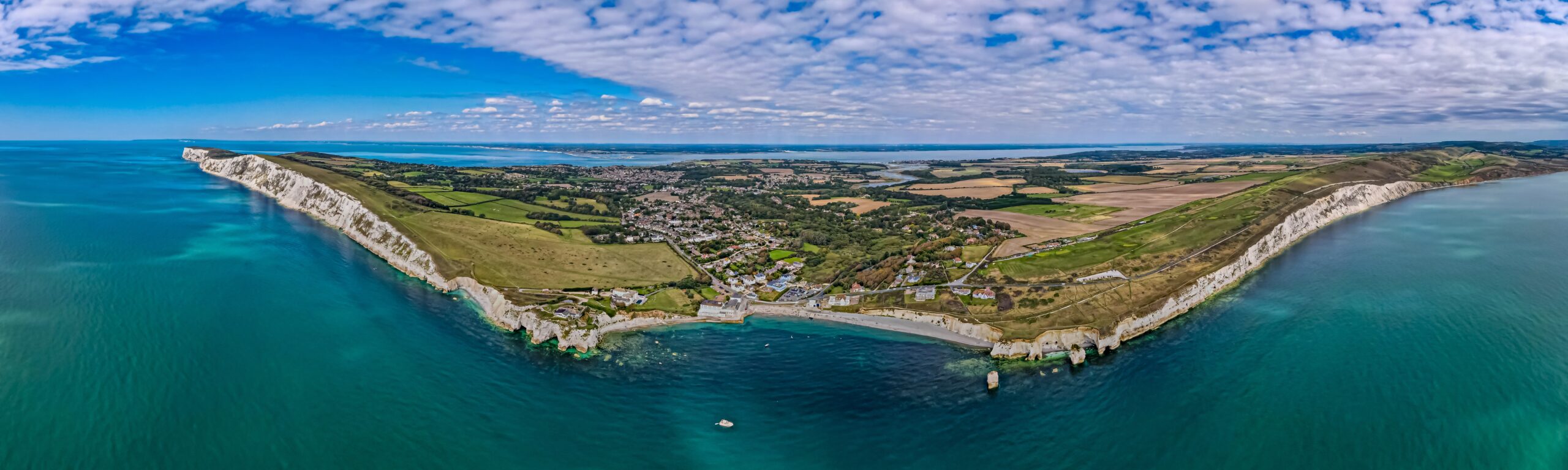
Image: Aerial view of the Isle of Wight
Population status and threats
The ‘All Island Red Squirrel Survey’ is carried out every 5-8 years. During last winter Becky Watts undertook survey work for WSP with evidence of red squirrel presence found in 93% of the woodlands surveyed. This is positive news and public sightings data adds to this important monitoring work, including providing data outside of wooded habitats such as parks and gardens.
Percentage of IoW woods showing red squirrel presence during survey years:
-
1997 = 71%
-
2003 = 86%
-
2010 = 90%
-
2016 = 95%
-
2025 = 93%
Today, the IoW red squirrel population is stable at around 3550-4000 animals. The greatest threat to the island’s red squirrels is traffic. Artist Kate Northover designed a series of modern and attractive road signs for WSP. Encouraging people to slow down to protect red squirrels and reduce road kills. Unfortunately, some of these signs have been stolen and the team put out a plea for people to leave the signs where they can do their work.
Although sad, animals found killed on roads are another way of monitoring. This year WSP recorded 66 reports of red squirrel road kills up to the end of July. While this is not an ideal way of monitoring, it does help show there are healthy numbers. At one time, hedgehogs were commonly killed on roads but there are so few these days that it is far rarer. Tissue samples from dead animals are also collected for DNA analysis. Injured animals are cared for by the ‘hedgehog lady’ Jacquie Wilson who dedicates her time to rescuing and rehabilitating red squirrels in trouble.
Other threats to the IoW red squirrels are habitat loss and fragmentation, and illness. Development leads to the loss of the trees and woods red squirrels need for survival. However, IoW residents are extremely protective of their red squirrels and will oppose proposals that adversely affect them or their habitat. Residents are also keen to feed and encourage red squirrels to their gardens, and tree planting schemes are popular.
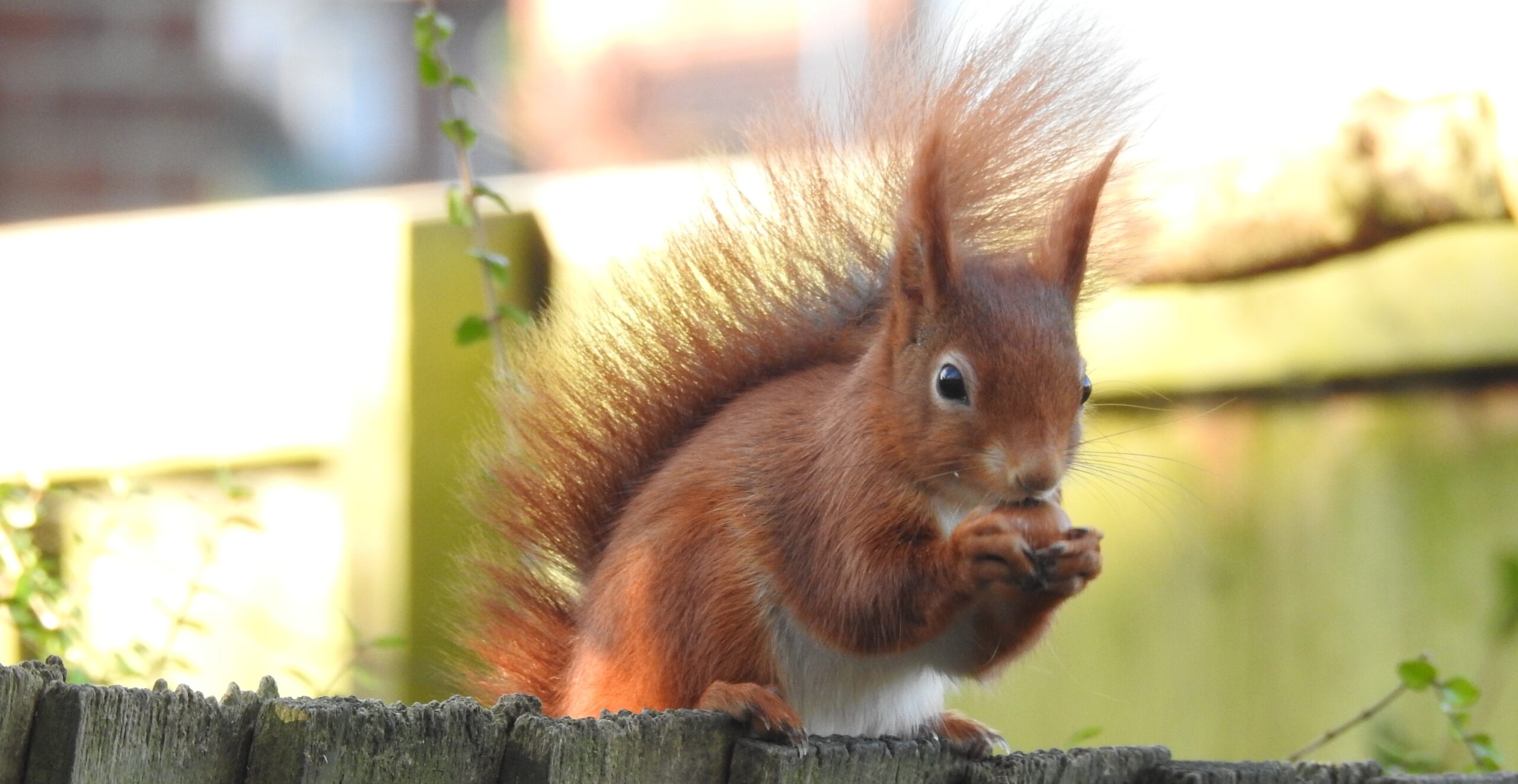
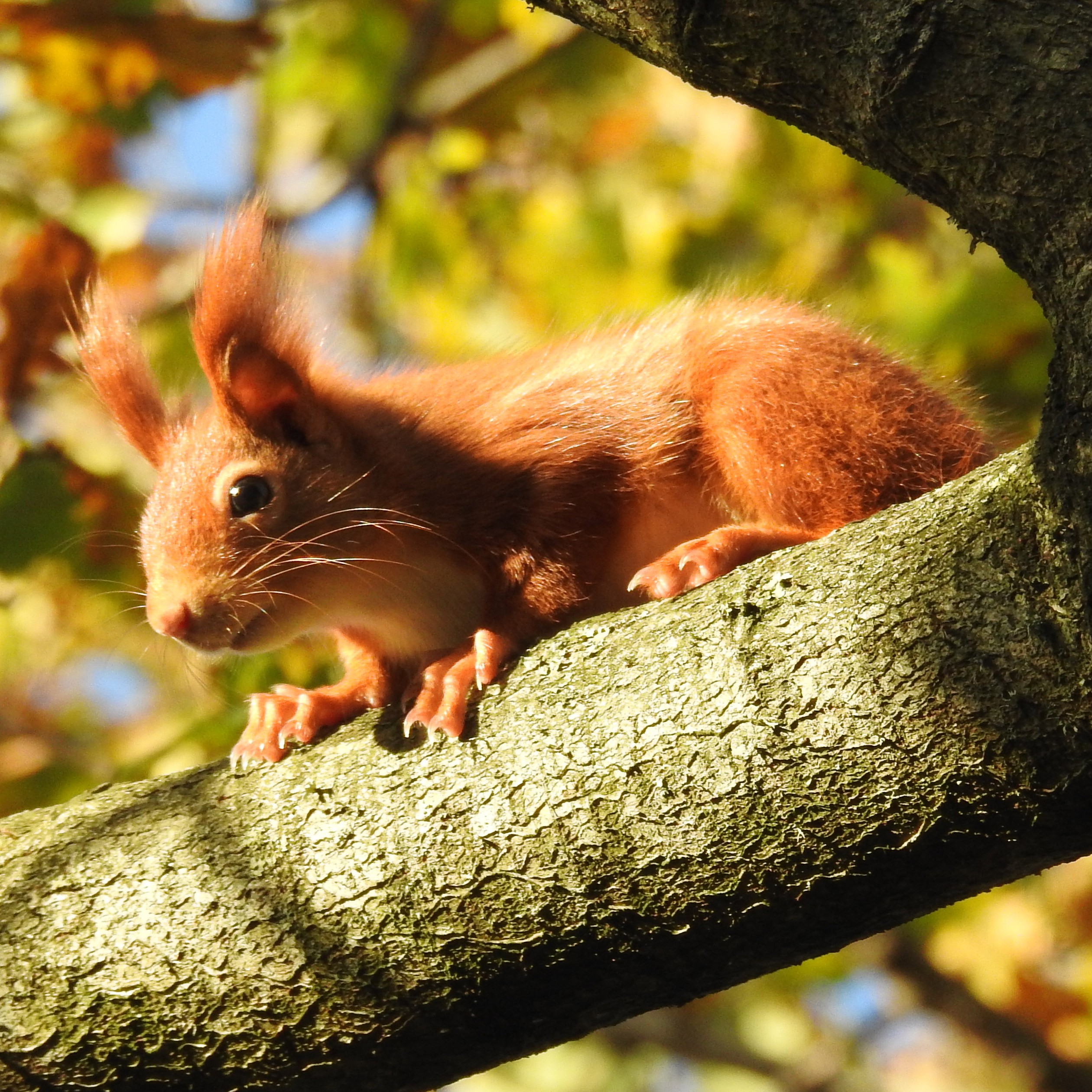
Image: IoW red squirrel feeding on garden fence
Genetic diversity
Dr Emilie Hardouin, Bournemouth University, works closely with WSP to carry out genetic testing. Helen collects ears from any dead squirrels reported. The tissue samples are sent to Emilie and then analysed for their DNA. WSP promotes non-invasive research and using dead squirrels has produced a lot of information over the years. WSP is currently in discussion with Bournemouth University and other labs to design and carry out other studies looking at red squirrel health problems such as toxoplasmosis, which is widespread on the island.
Genetic studies show the population in West Wight is less diverse than East Wight. Studies are ongoing with retesting every 10 years. There has been a focus on creating habitat corridors and the long-term aim is to increase species movements across the island to mix up the genes, increasing genetic diversity to improve population resilience. This process is also being helped by releasing rescued and rehabilitated squirrels into suitable habitat away from the area they are found once they are fit and healthy.
IoW successes
Since its inception, WSP has worked hard to raise awareness of red squirrels and their needs on the island. This work has seen public support for conservation efforts increase year on year. WSP Project Manager Helen Butler says, ’Since I started working with red squirrels in 1991 the population has doubled thanks to improved hedgerow links and woodland extended, largely under a scheme called JIGSAW.’ Thanks to a fundraising campaign, the Isle of Wight Red Squirrel Trust bought Howes Wood, which is managed by Helen. Conservation work is being carried out to remove invasive species and improve the habitat to better support red squirrels.
Conservation groups work in partnership with each other, local businesses and the public. Red squirrels are often on a tourists bucket list and businesses see how this iconic species helps the economy too. Many businesses include red squirrel(s) in their name or use pictures of them in promotions. This all helps to keep red squirrels in the public eye.
The IoW Red Squirrel Forum was formed in the mid 1990’s and is a collaboration of interested organisations, such as the Forestry Commission, National Landscapes and The Hants & Wight Wildlife Trust. The Forestry Commission ran the forum until 2020 when WSP took the reins. Annual meetings include speakers and cover a range of situations that may need addressing or improving. For instance, thanks to the forum, The Tree Council’s Tree Warden Scheme has been revived.

Celebrating volunteers
WSP activities would not be possible without the amazing volunteers that give their time to protect red squirrels. Citizen Science is at the root of WSP work, providing baseline data and informing actions to keep the red squirrel population healthy and the island grey free. Volunteer activities include monitoring disease, investigating possible grey squirrel sightings, and addressing habitat loss. You could also look after sick/injured/orphaned squirrels, help with data, attend events, fundraise or support woodland work. Although if you would like to help in any other way then please contact WSP: wightsquirrels@hotmail.com
Volunteers are vital to keep red squirrel work going and cannot be thanked enough. Each year a different volunteer holds the WSP volunteer trophy, which celebrates their dedication to the island’s red squirrels. Helen says, ‘I’ve worked with red squirrels as a volunteer for 35 years now and, although I don’t see them very often, I feel I must do my best for them to secure their future. Let’s face it – they are the best!’
The future of IoW red squirrels looks bright and the more support the better the outlook. Find out about the Wight Squirrel Project and how you can help by reporting sightings or volunteering in other ways.
Related blog articles
We do not use analytics or advertising cookies. Some pages contain privacy-gated third-party content, such as YouTube videos, which is only loaded if you choose to view it.ClosePrivacy policy